
Understanding the Allure of Equal Odds
The concept of a 50/50 odds scenario in gambling is incredibly appealing due to its inherent simplicity and the perceived fairness it offers. This setup, where every outcome has an equal chance of occurring, removes much of the complexity found in games with heavily skewed probabilities, and it is here that many players find the thrill of a potential casino spinit. It simplifies decision-making for players, allowing them to focus on the thrill of the moment rather than intricate statistical analysis.
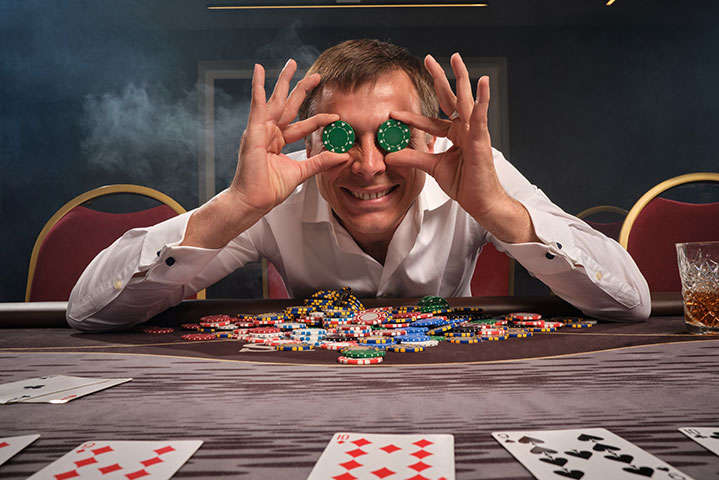
Games or situations that present 50/50 odds, like a coin toss or certain betting markets, create a dynamic environment where luck plays a significant role. This can be exhilarating for those seeking pure chance-based entertainment. The potential for a quick win or loss based on an even probability can be a powerful draw, making these scenarios a staple in various forms of wagering and casual games.
Navigating the Psychology of Risk and Reward
The psychological impact of 50/50 odds is profound. Humans are often drawn to situations that offer a clear dichotomy: win or lose, success or failure. When the chances are even, the anticipation of either outcome is heightened. This can lead to a more intense and engaging experience, as the player is fully invested in the uncertainty of the result.
This perceived fairness also fosters a sense of control or at least participation in the outcome. While statistically, a 50/50 chance is purely random, the player’s involvement in making a bet or choosing a side can create a feeling of agency. This engagement is crucial for maintaining interest and satisfaction, even when facing potential losses.
Strategic Approaches to Even-Chance Wagers
While true 50/50 odds are about pure chance, players often seek strategies to maximize their enjoyment or perceived advantage within these contexts. This can involve managing their betting amounts, understanding the flow of a game, or even employing psychological tactics to stay calm and focused. The goal isn’t necessarily to beat the odds, but to enhance the overall experience of playing.
Effective bankroll management is paramount when engaging in any form of gambling, especially in scenarios with even odds where losses can accumulate quickly. Setting limits and sticking to them ensures that the entertainment value remains the priority, preventing the pursuit of a win from turning into a detrimental situation. This mindful approach is a key component of responsible play.
The Role of Variety in Gambling Experiences
Offering a diverse range of gambling options is essential for catering to different player preferences. While 50/50 odds provide a specific type of thrill, players also seek out games with varying levels of complexity, skill involvement, and potential returns. A platform that balances pure chance with elements of strategy can attract a broader audience.
The availability of different game types, from straightforward coin flips to more intricate card games with elements of luck and skill, allows players to choose an experience that best suits their mood and risk tolerance. This variety ensures that players can find engaging ways to participate, whether they are looking for a quick flutter or a more involved session.
Exploring Mental Well-being Resources at Spin-it.org.uk
For individuals who find themselves drawn to the excitement of gambling, it’s important to have access to resources that support overall well-being. Spin-it.org.uk serves as a vital hub for mental health information and support, offering guidance and tools to help individuals manage stress, build resilience, and maintain a healthy lifestyle.
The platform provides a safe space to explore various aspects of mental health, including strategies for coping with challenging emotions or situations that might arise from activities like gambling. By focusing on self-care and community support, Spin-it.org.uk aims to empower individuals to prioritize their mental wellness, ensuring that their pursuit of entertainment does not negatively impact their lives.
